![Brant Bjork & The Bros - LIVE IN THE HIGH DESERT vinyl record [CD]](https://bsidevinyl.com/wp-content/uploads/2026/03/Live_In_The_High_Desert-1-370x370.jpeg)

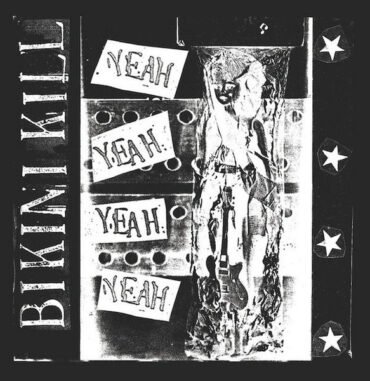
Bikini Kill The Singles is the 1998 CD-only compilation that pulled together every 7″ the band released across their active years, making it the most concentrated single-format argument for why Bikini Kill mattered then and why they still do now.
Where Bikini Kill Started and Why It Stuck
Bikini Kill formed in Olympia, Washington in 1990 and spent the early part of that decade building something that didn’t have a clean name yet. They took punk’s DIY infrastructure and applied it to explicitly feminist politics, not as a side concern but as the entire point. Kathleen Hanna’s vocals weren’t reaching for polish or radio palatability. They were direct, urgent, and uninterested in making anyone comfortable. The riot grrrl movement that followed, and the wave of unapologetic women-fronted bands that came after that, traces a pretty straight line back to what this group was doing in practice halls and small venues before most people were paying attention.
What Bikini Kill The Singles Actually Collects
This is not a greatest hits in the traditional sense. It’s a 7″ compilation, which means it documents the band through the format they actually used to communicate directly with their audience. The physical single was the vehicle, and this release gathers all of them. Pitchfork once called it “their defining document,” which is a fair assessment when you look at what’s here. The compilation includes the 1993 New Radio single, recorded with Joan Jett, a collaboration that put the band in front of a wider audience without softening anything about them. It also includes two singles that have spent long stretches out of print: Anti Pleasure Dissertation from 1995 and I Like Fucking from 1995. If you’ve been trying to track down either of those in their original 7″ form, you know how scarce they get.
The Format and Label Details
This is a CD release on the band’s own Bikini Kill label, catalog number BK 10. The label being self-operated matters here. Bikini Kill maintained control over their catalog throughout their existence and continued to do so after they disbanded, which is part of why an official compilation like this carries weight. There are no third-party reinterpretations of the artwork or sequencing. What you’re getting is the band’s own version of their singles history in one place. For collectors, a first pressing CD on the original Bikini Kill imprint with that catalog number is a straightforward piece of documentation from a band that released very little officially and kept what they did release tightly controlled. If your interest is in having a complete and legitimate account of their 7″ output without sourcing four or five separate pressings, this is the most practical and historically accurate way to do it.
![Zoltan - Tombs Of The Blind Dead vinyl record [12-inch single]](https://bsidevinyl.com/wp-content/uploads/2025/07/ZOLTAN-1-370x370.jpeg)