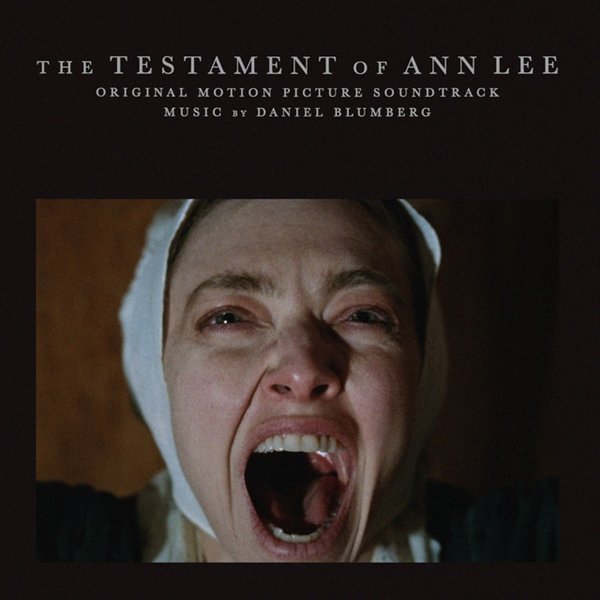


O.S.T. – The Testament Of Ann Lee is the score composed by Academy Award-winning Daniel Blumberg for Mona Fastvold’s film, released on double vinyl through Milan Records. Blumberg built this record from the ground up alongside the production itself, shaping music directly on set in close collaboration with Fastvold, which means what you hear is not a score written to picture after the fact but something that grew in the room with the performances and choreography.
What Makes O.S.T. – The Testament Of Ann Lee Different
The source material here is Shaker musical tradition, but Blumberg does not treat it reverently in a preservationist sense. He treats it radically. Ten traditional Shaker hymns are reimagined and performed by the film’s cast, not by session professionals, and that distinction matters to how the record sounds. Those untrained voices sit alongside extreme vocal improvisers Maggie Nicols, Phil Minton, Shelley Hirsch, and Freya Edmondes inside an ensemble that totals nearly 100 singers. The result is a dense, wordless vocal landscape that references the ecstatic, physical quality of Shaker worship without reproducing it as pastiche. Three original compositions round out the program, including the end credits song “Clothed by the Sun,” performed as a duet between Blumberg and Amanda Seyfried.
The Sound and the Format
Instrumentation beyond the voices includes tuned percussion, spectral bell tones, celeste, and an ensemble of experimental string players. These elements do not function as conventional film score orchestration. They operate more like texture and atmosphere, interlocking with the vocal cacophony to build something that feels both elemental and genuinely spiritual in character. The double vinyl edition presents all of this across two records, giving the music room to breathe and develop across sides without the compression decisions a single LP would demand.
The Pressing and Packaging
This is a gatefold release with printed inner sleeves, and the visual design was handled by Sebastian Pardo, the title designer for the film itself, working in direct collaboration with Blumberg. That continuity between the film’s visual identity and the record’s physical design is not an accident. It makes this a genuinely considered object rather than a catalogue product. For collectors interested in serious contemporary film music, in the intersection of experimental vocal practice and scored composition, or in records where the physical packaging reflects the artistic intent of the project, this double LP belongs in your collection. Daniel Blumberg is doing work right now that few composers are attempting, and this record is a clear document of that.
More Soundtrack vinyl: